Day Four Continued

Earlier tonight, the five members of the Huang family feasted on a variety of traditional foods in order to welcome the gods of wealth and the kitchen.

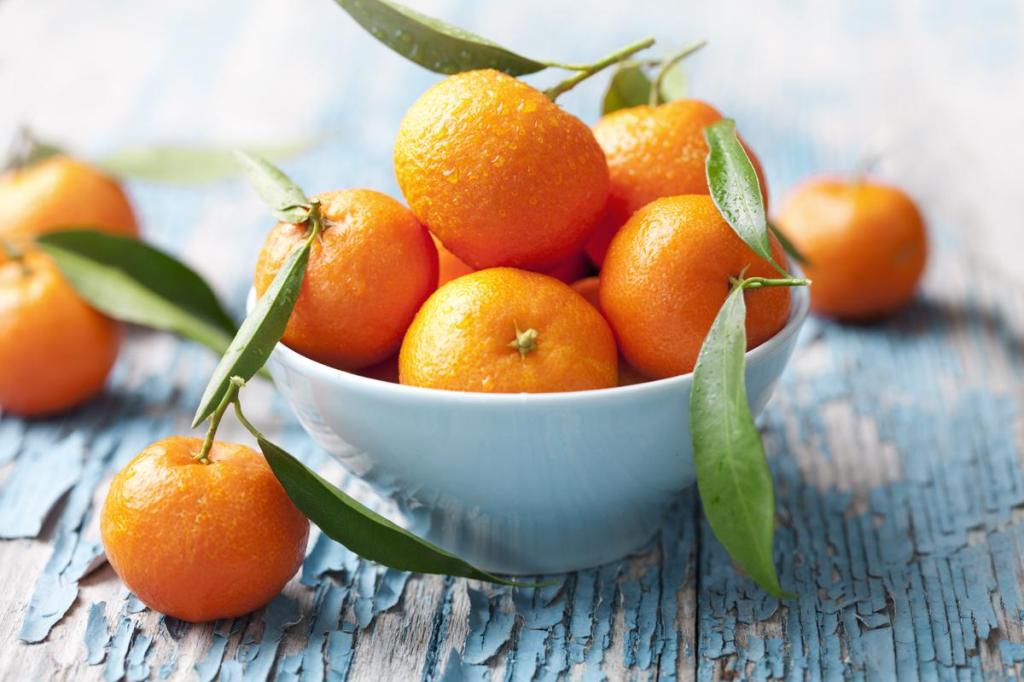
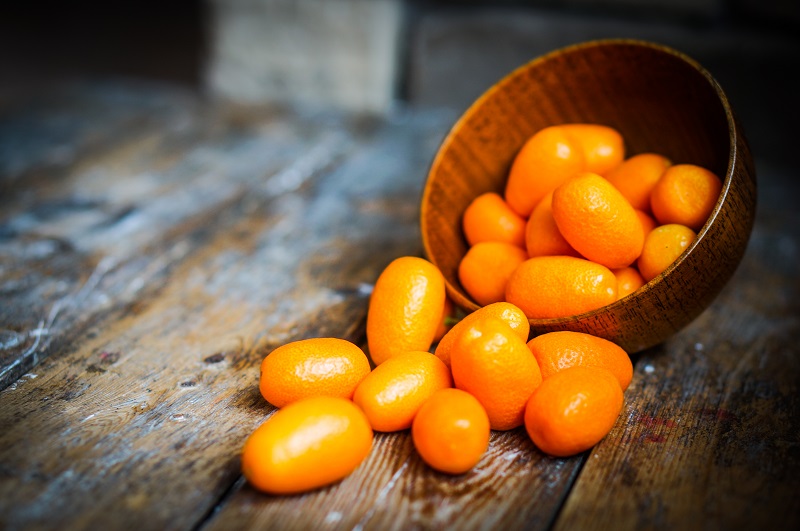
This practice requires three tables of food. the first containing sugarcane and a variety of fruits, including kumquats, oranges, mandarins and tangerines which represent happiness and abundance.
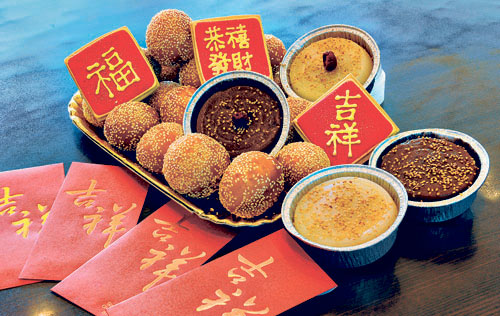
The second table holds an assortment of cakes and sweets which symbolise sweet life and successful road ahead, including Nian Gao, a desert made from glutinous rice flour.
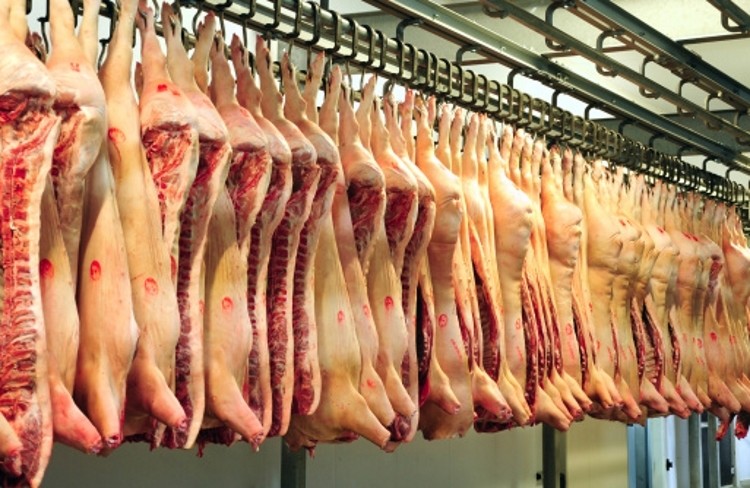
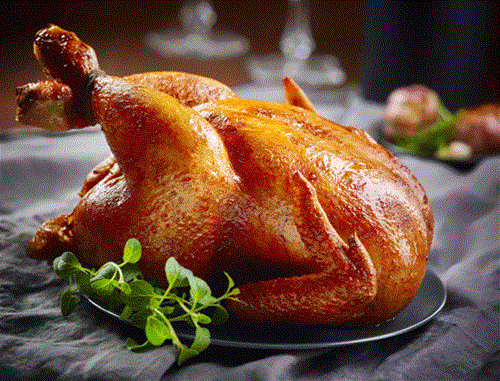
The third table is comprised of the meal’s main course of pork, a whole chicken, whole fish and soup.

Pork is included in the meal, because the Chinese believe pigs symbolise luck, wealth, honesty and prosperity.

A whole chicken is a popular dish during Chinese New Year because it represents togetherness and rebirth, just as a chicken lays an egg, creating a new life. It is often a symbol of family, and can also signify unity and prosperity.
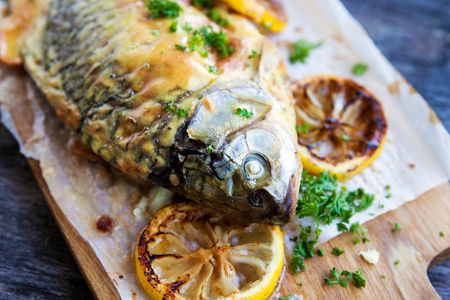
A whole fish, usually Carp, is a staple dish for New Year celebrations in China and is believed to welcome prosperity for the entire year. In Mandarin, the word for “surplus” sounds like “carp”, making it a symbol of wealth.
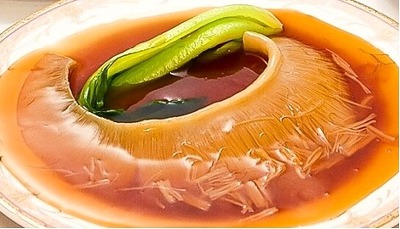
Several types of soups also have their own meanings, deeply rooted in Chinese culture. Red bean soup is a symbol of strength, and Shark Fin Soup is a symbol of prosperity and wealth, as its very expensive.
It is forbidden to slaughter sheep on the fourth day of the Chinese New Year. A superstition dating back hundreds of years states fair weather during this day is a sign sheep will be healthy this year and farmers will have a bountiful harvest.
Day Four

Unlike the third day of the Lunar New Year, day four is considered to be auspicious, with several popular gods including the Kitchen God and The God of Fortune believed to return to the Earth from Heaven.

There will also be a large amount of food prepared today to be consumed for the evening meal, so I will probably be posting again later tonight.

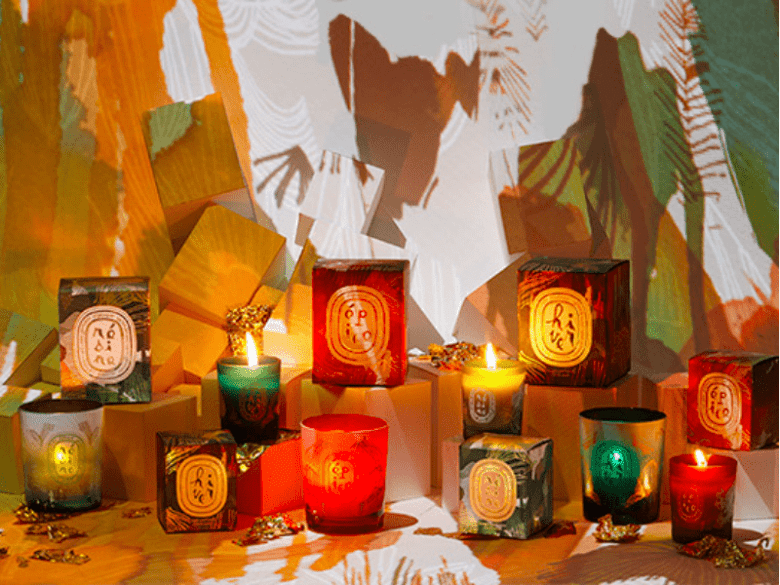
Starting in the late afternoon, the Huang family will start to prepare a variety of fruits, alcohol, and three types of meat—fish, pork, and chicken—in addition to lighting incense. Families burn incense and light candles to welcome the gods.

Earlier this morning, I learnt it is the custom in some rural areas in northern China to light a stick on fire and throw it into a nearby natural source of water, in an attempt to avert any fire-related accidents in the year ahead.

Day Three

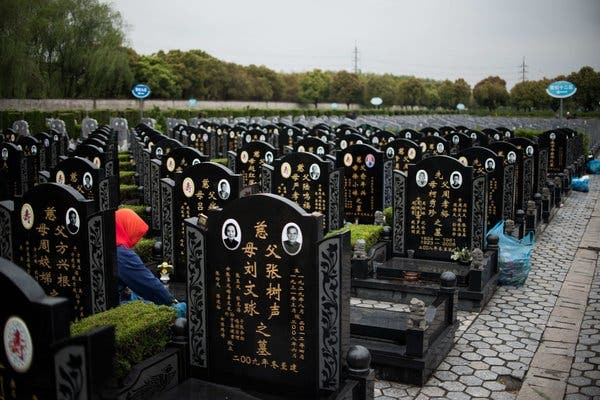
Today is considered to be the Birthday of the Pig. It is an ominous day in the Chinese New Year calendar, so the only outing planned by the Huang family is to go grave visiting, where they will remember their child’s maternal grandfather, who passed away late last year.

Traditionally, families who in the past 3 years have suffered from the death of an immediate relative will not visit the homes of friends or family as a form of respect to the dead. The third day of the New Year is often allocated to grave-visiting instead. Some people do not leave their houses at all, as it is believed evil spirits roam the earth this day and hence it would be bad luck to be outdoors.

Some businesses which had been closed during the prior festivities will be reopened and prayers will be held in which the business owners will ask to be blessed with prosperity during the upcoming year. Other Chinese businesses will not open until after the fifth day due to the unlucky spirits mentioned above.

Traditionally, the third day of Chinese New Year is regarded to be an ominous day, with people avoiding the need to go outside. There are many time honoured taboos, which include cleaning the house, lighting a fire, arguing, drawing water from a well and visiting friends or family.

During the modern era, fewer and fewer of Shanghai’s inhabitants people believe in such superstitions, with there appearing to be a large number of people who are treating this day as a normal holiday to spend time with their families.

Day Two

Welcome back to A Foodie’s Chinese New Year Experience. This is currently my fourth post since the beginning of the blog and today is the second day of the lunar calendar, otherwise known as the Birthday of the Dog.

Due to the second day of Chinese new year being considered as the Birthday of the Dog, the pet  Schnauzer was especially well cared for all day. The Huang family also brought dog food to feed to strays while they were outside.

The second day of Chinese New Year is also the day during which it is traditional to visit the wife’s side of the family. On this day, married daughters visit their parents’ homes with their husbands. Specific traditions vary from place-to-place in China, but daughters and sons-in-law will typically eat lunch in their parents’ homes.

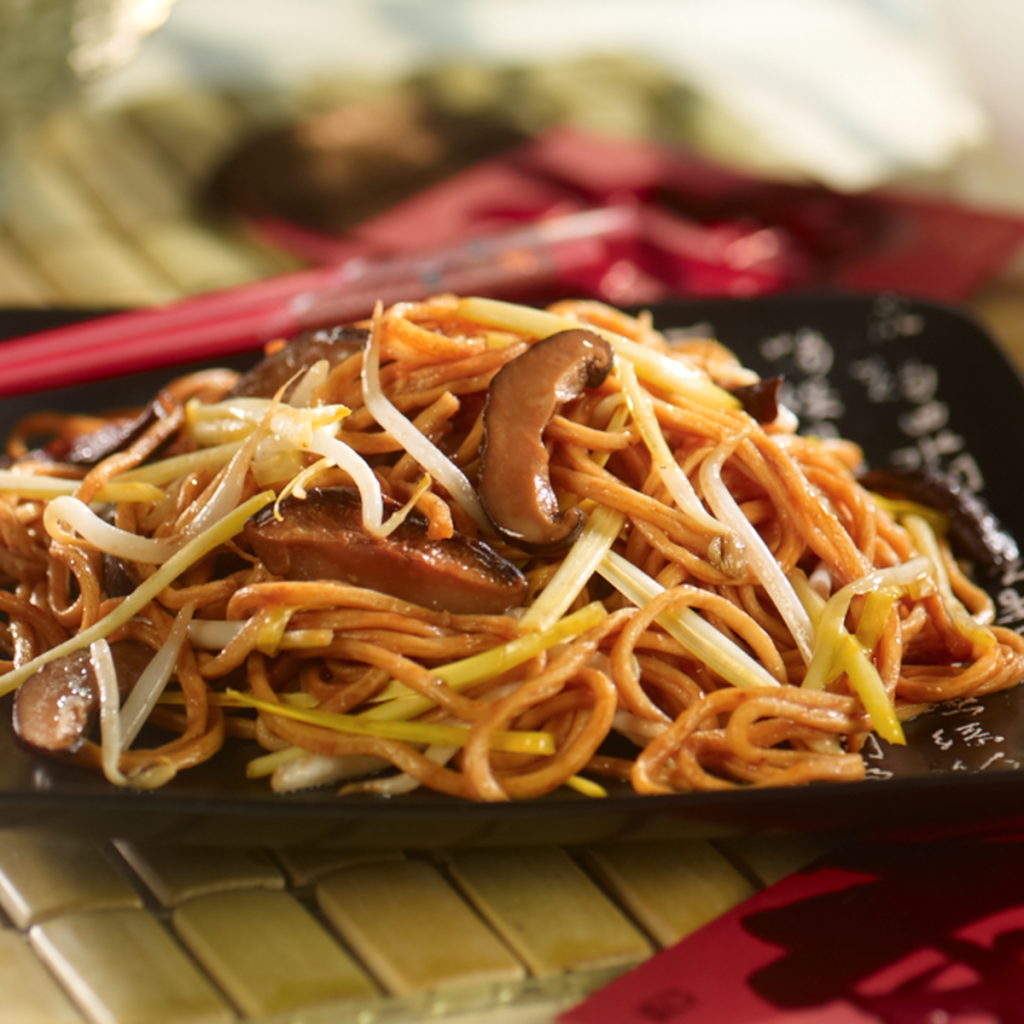
While the Huangs are out visiting relatives, I will once again exploring the city and purchasing the ingredients needed to make longevity noodles, which among other dishes, will be consumed during tonight’s evening meal. Longevity noodles are traditionally served at Chinese New Year’s feasts. a popular Chinese belief states long noodles are associated with a long and prosperous life, so cutting the noodles while you are consuming them is said to be bad luck.

During the second day of the Lunar Year, it is believed Tsai Shen, the God of Wealth, leaves for heaven after being offered sacrifices. On the Eve of the lunar New Year, it is customary to obtain an image of Tsai Shen and place it on the east side of the living room.
People will burn the picture during the second day of Chinese New Year and see the deity off, wishing for a lucky and prosperous year.
In honour of Tsai Shen, people will eat dumplings which resemble the shape of a Ancient Chinese ingot and are commonly believed to bring wealth.

Day One Continued

While I was out exploring the city, earlier this afternoon, I encountered several highly intriguing traditional Chinese dishes, two of which I elected to share on this blog.

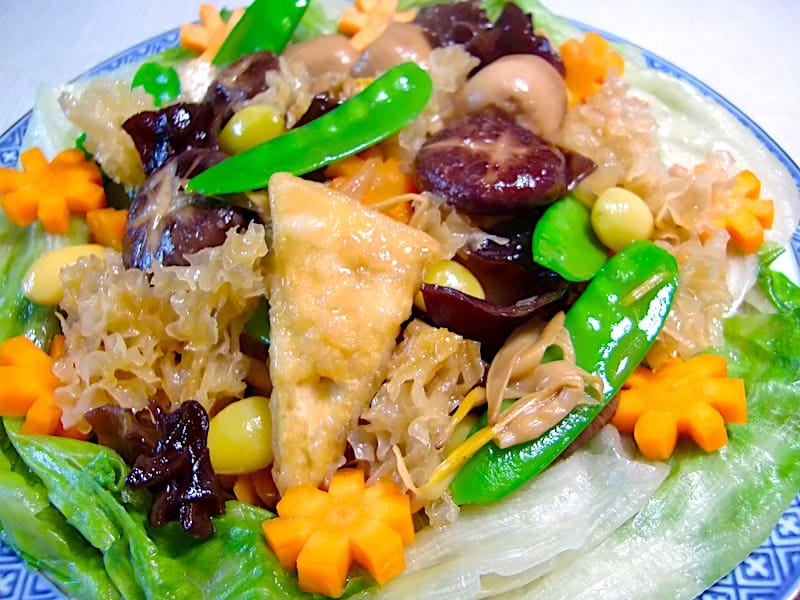
“Luóhàn quánzhāi” (Buddha’s Delight)

A traditional Buddhist vegetarian dish called “Luóhàn quánzhāi” or Buddha’s Delight, is consumed on the first day of Chinese New Year using eighteen different ingredients as the Chinese believe eighteen to be a lucky number signifying wealth and prosperity.

Abstaining from eating meat during the first day of the Lunar New Year is believed to enhance longevity. Vegetarian dishes help to purify and cleanse the body along with honouring a Buddhist tradition which states nothing living should be killed on the first day of the year.

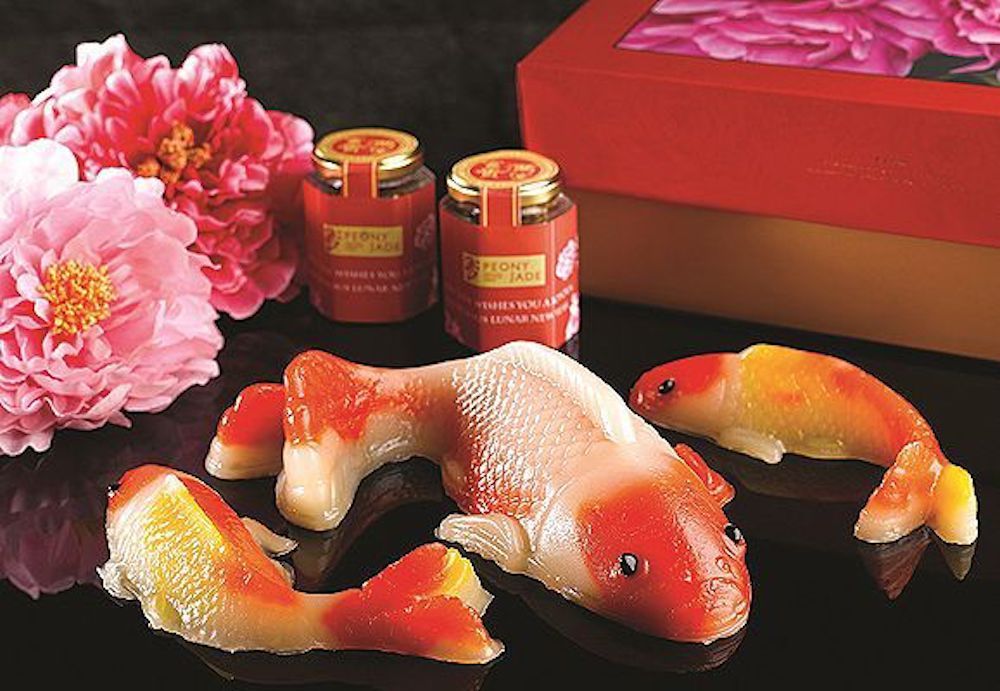
Fish shaped Nian Gao

Nian gao is an enduring Chinese New Year tradition. Because of its stickiness, it is viewed as a symbol of cohesiveness. There are various ways to consume the nian gao, including in the shape of a gold ingot or a fish. The word “Fish” in Mandarin sounds like the word for “excess” and is especially popular during Chinese New Year as it symbolises great wealth.

Day One

Welcome back to A Foodie’s Chinese New Year Experience blog. Today is the first day in the Lunar Calendar and is also called the Birthday of the Chicken. According to legend, the goddess Nüwa created the world. She created certain animals on different days, hence each day is considered the birthday of the corresponding animal. As I type this update, the five members of the Huang family are readying to visit the eldest members of their extended family, the Mother’s recently widowed Aunt. On the first day of the festival, it is traditional to visit the most senior members of the extended family, strengthening family ties.

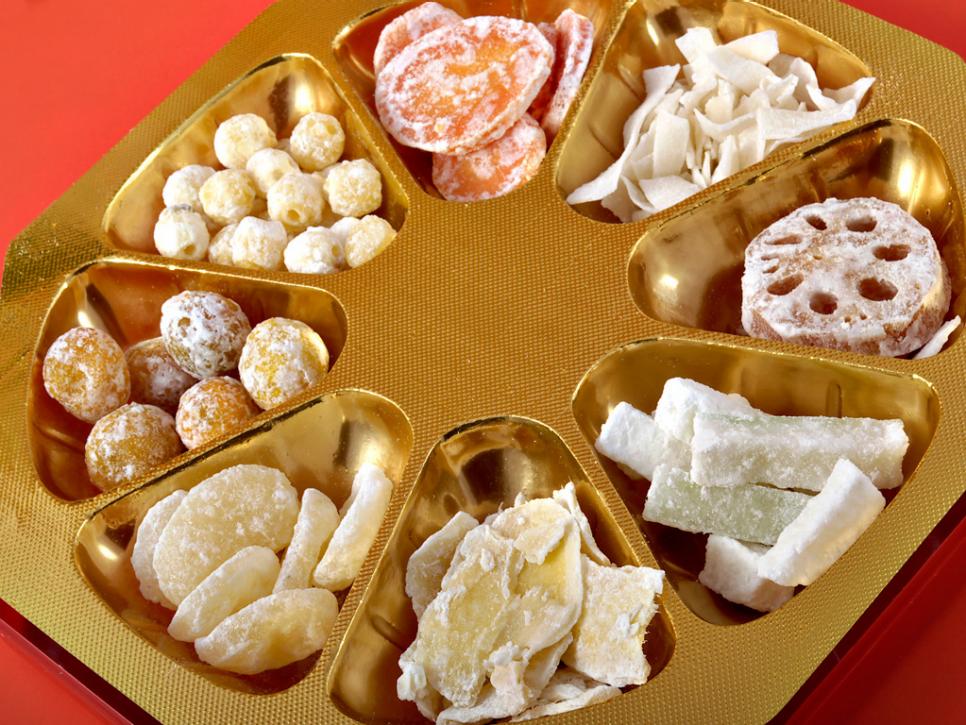
Another popular tradition present in Shanghai is the tradition of welcoming guests with tea and sweet treats, such as sugared fruits which are supposed to sweeten one’s upcoming year. These are served on an octagonal tray and are arranged into eight units, as the number eight symbolises luck. At times, an arrangement of nine units can be found, the number represents wealth, good fortune and family unity. 

The Huangs are planing of bringing a small gift of oranges, tangerines and mandarins to present to their hosts, as the round fruit is a symbol of wealth and good fortune.

The First Day of Chinese New Year symbolises a new start in one’s life, refreshing hopes for prosperity, wealth and happiness.

I will not be accompanying the Huangs on their family luncheon. Instead I have decided to tour the city and sample the delights of the First Day of Chinese New Year in Shanghai.

A Foodie’s Chinese New Year Experience

This is the first post of my new blog about my visit to Shanghai to experience a traditional Chinese New Year. Over the course of the month, I aim to post once or twice a day over the course of the festival.

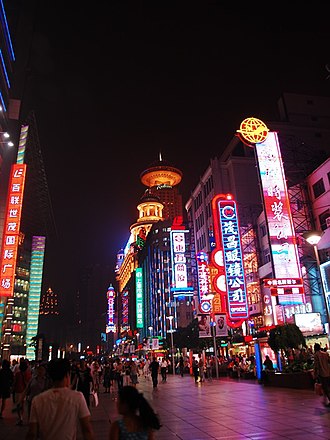
Today is the eve of the beginning of the celebrations, and each of the city’s twenty-six million inhabitants are busy preparing for the upcoming fortnight of celebrations.

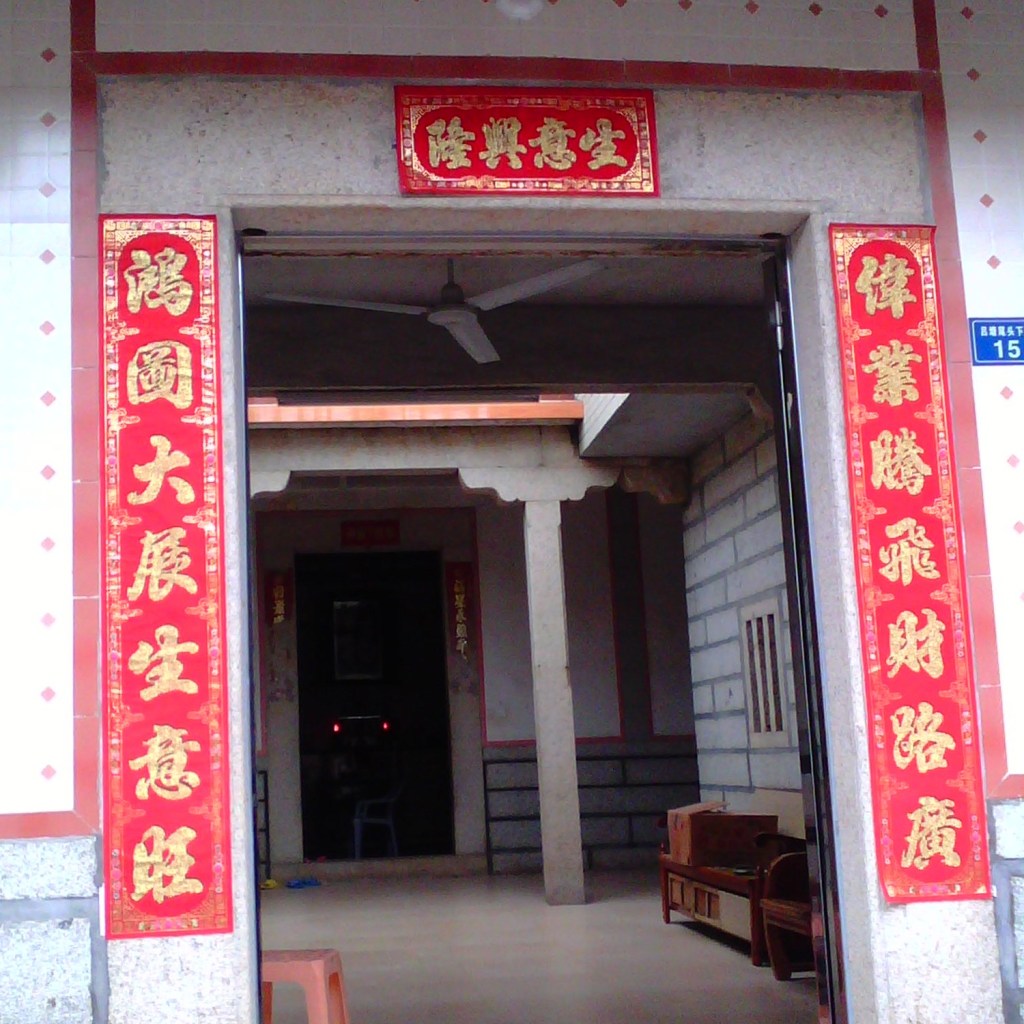
Downstairs, the family I am staying with are cleaning and decorating the house with Chunlian, (Red banners adorned with Chinese calligraphy) which I have been told usher in prosperity for the upcoming year.

As sweeping during the course of the festival is symbolic of sweeping away good luck, the mother is hastily cleansing and decluttering the dwelling.

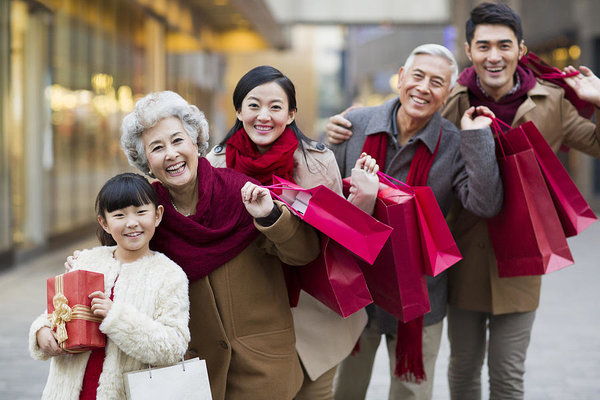
Earlier today, the entire family went out shopping for food, decorations and gifts, as most businesses will be closed during Chinese New Year.

Tonight, the five members of the Huang family and I will sit down to a feast of dumplings, which are traditionally eaten on the eve of Chinese New Year’s Eve. The word dumpling in Chinese ‘jiaozi’ means a changing of years. The dumpling is a symbol of wealth because its shape is similar to an ancient Chinese gold ingot.

It is impossible to accurately describe the atmosphere here in Shanghai’s Jingsan district, with each household simultaneously in an excited frenzy of activity but also waiting with bated breath, in nervous anticipation of the events of tomorrow.

Design a site like this with WordPress.com
Get started